
Pelvic Floor Therapy
Pelvic Floor Therapy
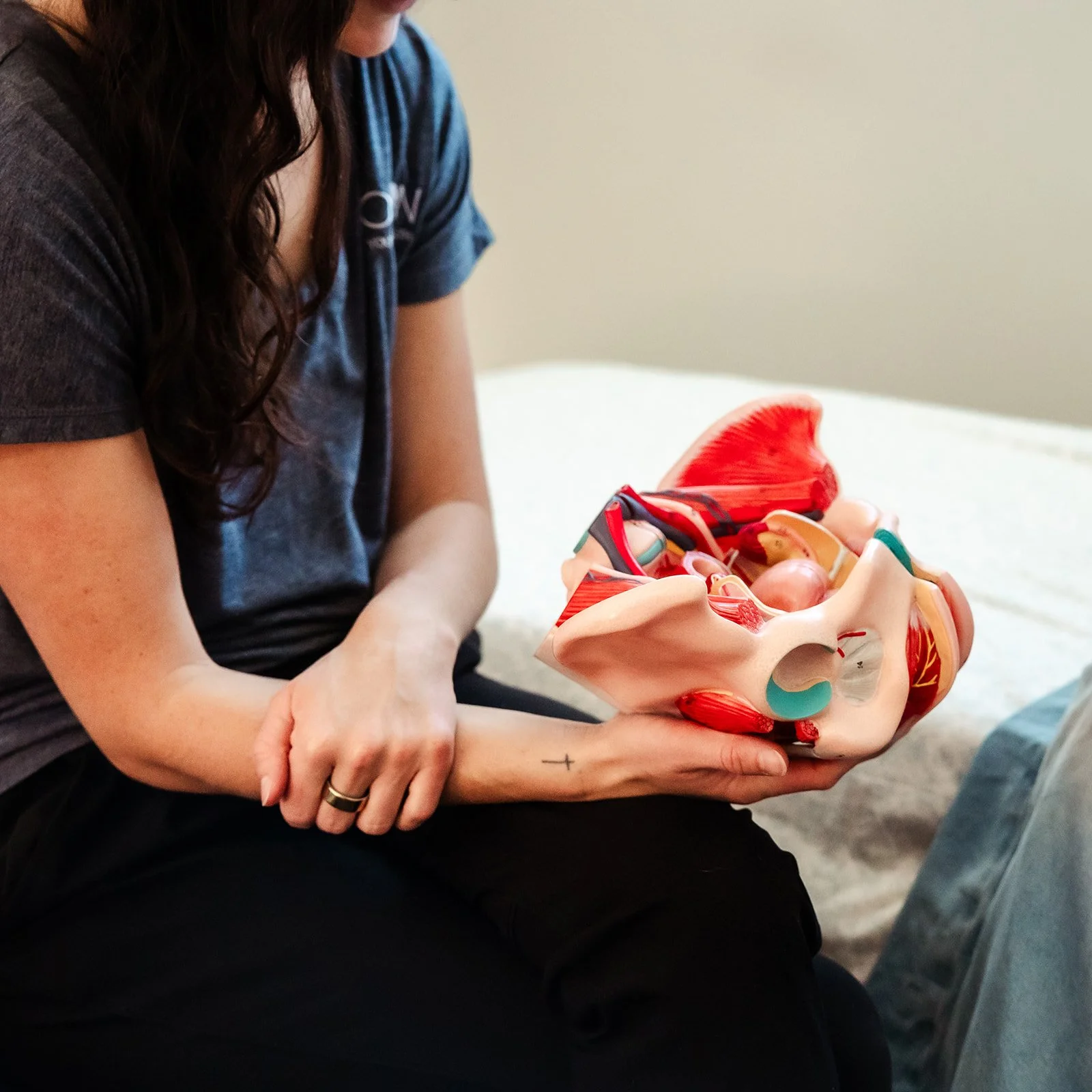
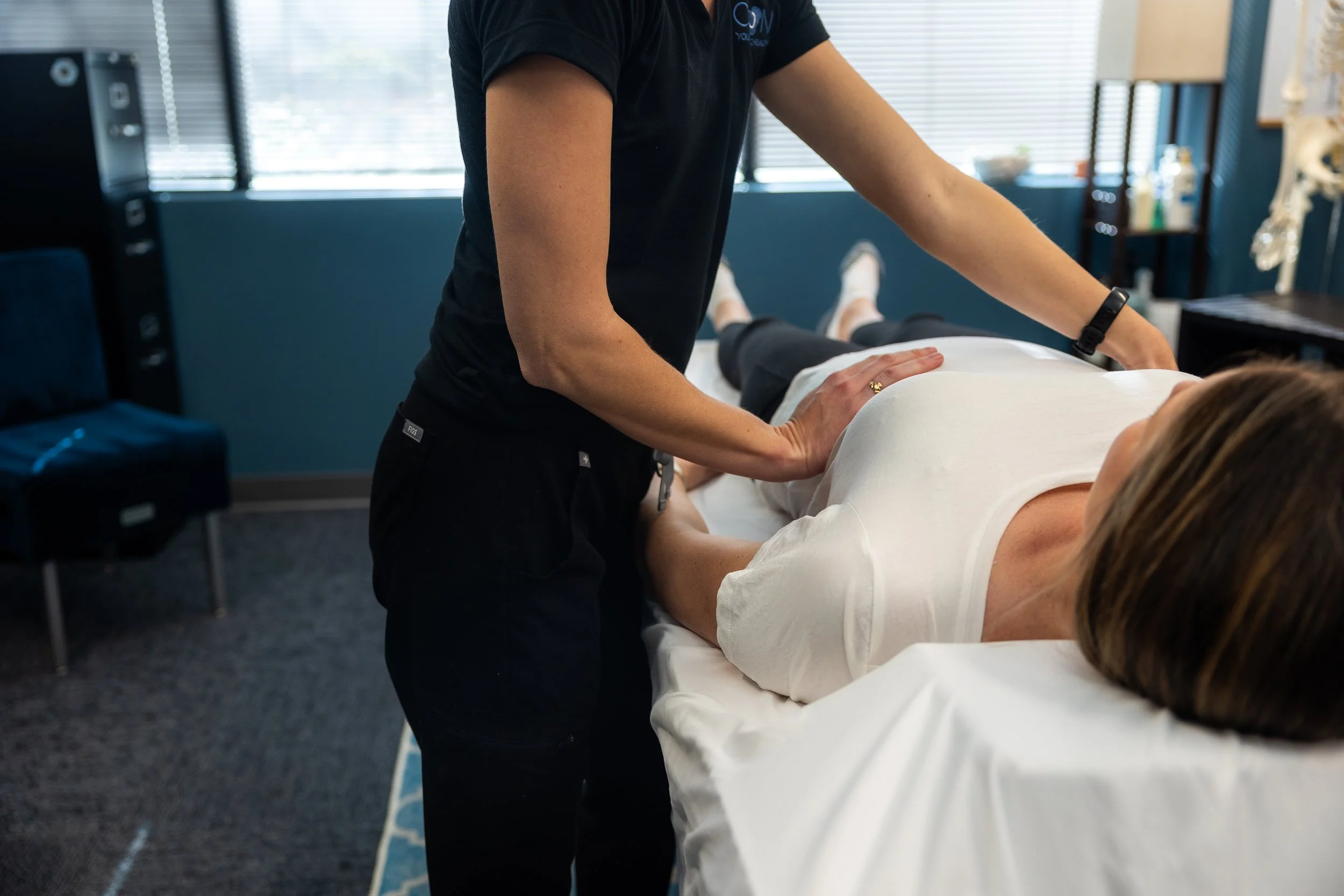
Your pelvic floor supports your bladder, bowels, sexual function, and core strength, yet it’s often left out of the conversation. Pelvic floor therapy is a powerful tool for treating common but overlooked concerns like leaking, pain, prolapse, and postpartum recovery.
Through The OWN Project, we provide financial assistance for pelvic floor therapy sessions with licensed providers who specialize in women’s health. We also offer educational resources and clinical partnerships to make this care more accessible across communities.
Common concerns we support
Fertility support
Pregnancy + postpartum healing
Pain with sex
Endometriosis
PCOS
Back or hip pain
Pudendal Neuralgia
Irregular/painful menstrual cycles
Urinary or bowel leakage
Pelvic organ prolapse
Diastasis recti
Chronic pain
Pelvic Health = Whole Body Health
Your pelvic floor plays a vital role in how you move, rest, connect, and care for yourself. When something’s off, like leaking, pressure, or pain, it can affect everything from your confidence to your relationships.
Pelvic floor dysfunction impacts:
1 in 3 women throughout their lifetime
50% of women over age 50
80% of birthing people who experience tearing or trauma during delivery
1 in 4 women with chronic pelvic pain or pain with sex
Up to 70% of people with prolapse never receive treatment
Pelvic health is often under diagnosed and underfunded - especially for BIPOC communities, low-income individuals, and those navigating systems without adequate support.
That’s where we come in.
Because quality of life matters.
When your body feels off, everything else feels harder.
Pelvic health is about more than just physical function. It’s about agency, dignity, and the freedom to live fully. At The OWN Project, we’re working to make sure every person has access to the tools, care, and support they need to feel strong and safe in their body long-term.